
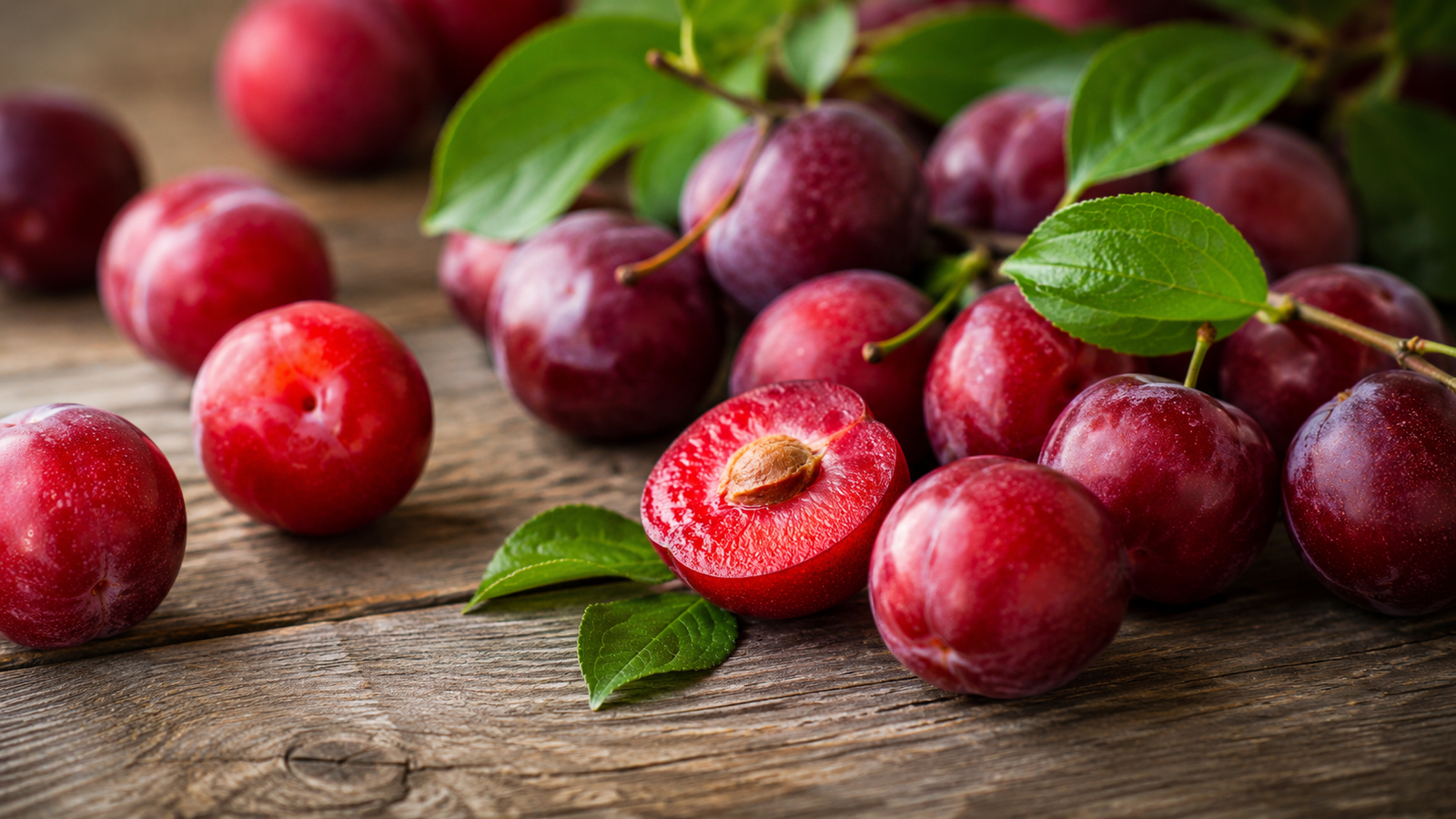
The kirschpflaume, or cherry plum, is a unique fruit belonging to the species Prunus cerasifera. Known for its early spring blossoms and distinctive taste, it has gained popularity in various culinary applications.
What is the Kirschpflaume?
The kirschpflaume, scientifically referred to as Prunus cerasifera, is commonly known as cherry plum or myrobalan plum. This species is notable for being one of the first European trees to flower in spring. Its origin traces back to regions in the Balkans and parts of Central and Southwest Asia.
Characteristics of the Kirschpflaume
The kirschpflaume is a small tree that typically reaches heights of up to eight meters. It features a dense and irregular crown, making it an attractive addition to gardens. The tree is also recognized for its vibrant blossoms that appear early in the season, providing essential pollen for bees as they emerge after winter.
Flavor Profile of the Kirschpflaume
The taste of the kirschpflaume can vary depending on the specific variety and ripeness. Generally, it is characterized by a balance of sweetness and tartness, which makes it a versatile ingredient in culinary dishes. Fresh cherry plums can be enjoyed raw, adding a refreshing burst of flavor to salads or desserts.
Culinary Uses of Kirschpflaume
In the kitchen, the kirschpflaume can be utilized in numerous ways. Its unique flavor profile makes it suitable for making jams, jellies, and sauces. Additionally, it can be incorporated into baked goods such as tarts and pies, lending a delightful contrast to sweeter ingredients.
Are Cherry Plums Safe to Eat?
The safety of consuming cherry plums, including kirschpflaume, has not been publicly disclosed. However, many varieties of cherry plums are enjoyed fresh and are generally considered safe when properly prepared.
What is the Difference Between a Cherry Tree and a Cherry Plum Tree?
The primary difference between a cherry tree and a cherry plum tree lies in their structure and flower production. Cherry trees typically have longer stems and produce multiple flowers from each bud, whereas cherry plum trees, such as the kirschpflaume, produce only one rounded flower per bud.
Where to Buy Kirschpflaume
For those interested in purchasing kirschpflaume, options include local nurseries and specialty fruit stores. Online retailers may also offer varieties of Prunus cerasifera for gardening enthusiasts, catering to both ornamental and culinary needs.
Frequently Asked Questions
What do cherry plums taste like?
The taste of cherry plums, including kirschpflaume, is typically a blend of sweetness and tartness. This balance makes them suitable for both fresh consumption and culinary uses.
What are the benefits of cherry plums?
While specific benefits of cherry plums have not been publicly disclosed, like other fruits, they may provide nutritional value and contribute to a balanced diet when consumed as part of a varied intake.
Can you grow kirschpflaume in the US?
Yes, kirschpflaume can be grown in various regions of the US, particularly in areas that support fruit trees. It’s essential to consider climate and soil conditions for optimal growth.
How do you store kirschpflaume?
Kirschpflaume should be stored in a cool, dry place. If ripe, they can be refrigerated to extend freshness. Proper storage will help maintain their flavor and texture.
What varieties of kirschpflaume are available?
Several varieties of kirschpflaume exist, including Prunus cerasifera ‘Pissardii’ and Prunus cerasifera ‘Atropurpurea’, known for their unique characteristics.
Are there any recipes that use kirschpflaume?
Yes, kirschpflaume can be used in various recipes, such as jams, jellies, and desserts like tarts and pies. Its flavor complements many sweet and savory dishes.
The kirschpflaume stands out not only for its unique flavor but also for its versatility in culinary applications. Whether used fresh, in preserves, or as part of baked goods, this fruit adds a delightful touch to numerous dishes.
You may also read : Top-Restaurants in Köln für asiatische Küche